


| FAQ |
| Members List |
| Social Groups |
| Calendar |
| Search |
| Today's Posts |
|
#10
 02-23-2026, 07:55 AM
|
|||
|
|||

Another update here. I'm not posting pictures of every wire I replace, but the renewal of the electrics inside is almost done, while the weather here is still bad, no oldtimer driving weather
 One of the tasks I did was restoring the fuse holder, because ist looked like this: 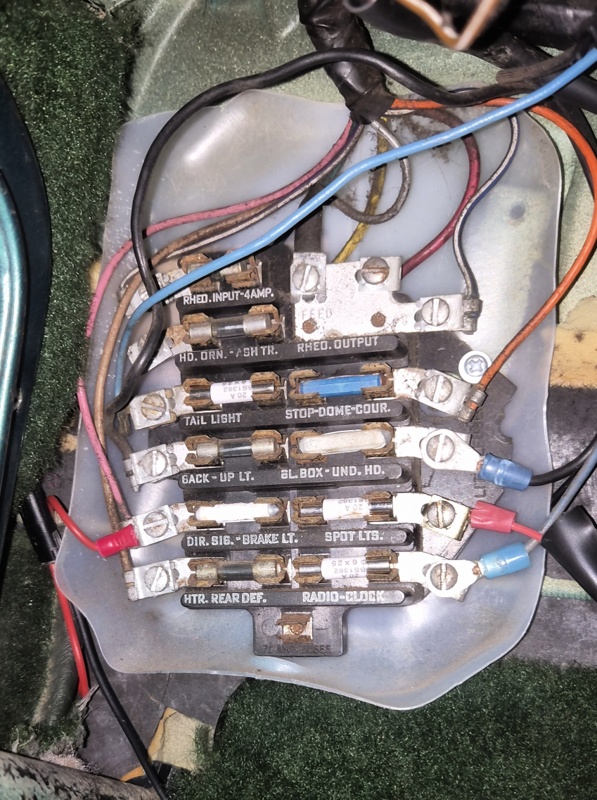 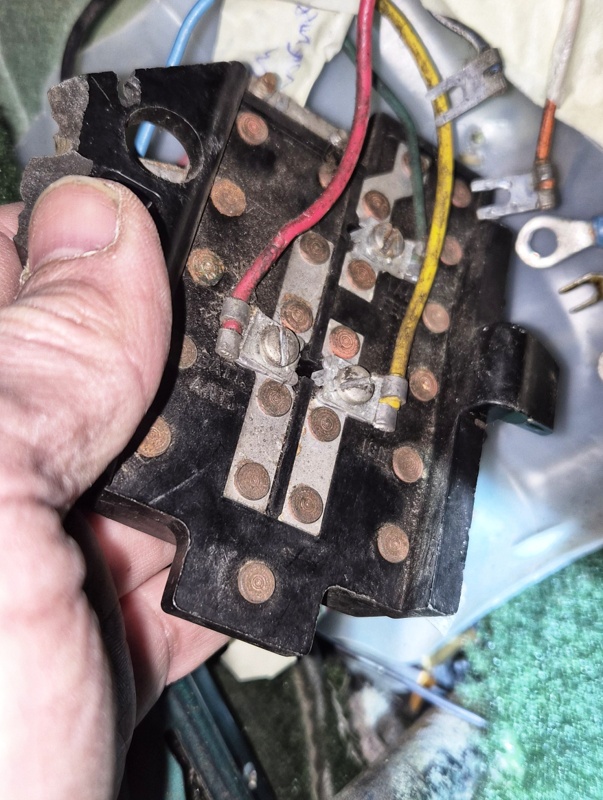 Very rusty, bad contacts, some non fitting fuses violently pressed in by the preowner  I had very strange electric effects because of contact resistances and loose connections - like direction lights failing from time to time, contacts getting hot when I turned on the lights etc. I had very strange electric effects because of contact resistances and loose connections - like direction lights failing from time to time, contacts getting hot when I turned on the lights etc.I also had much trouble while I was trying to retrofit hazard warning lights (legally required here, I'll post this story later), because I needed 12V for the relay. My multimeter proofed there were 12V on the line, but the relay strangely didn't work. After some troubleshooting I found out that the reason was another contact resistance  As soon as the line had some electrical load, the voltage dropped down to almost zero As soon as the line had some electrical load, the voltage dropped down to almost zero  So I removed the fuseholder, removed the fuses and began cleaning all the contacts and all of the small metal plates. First mechanically...: 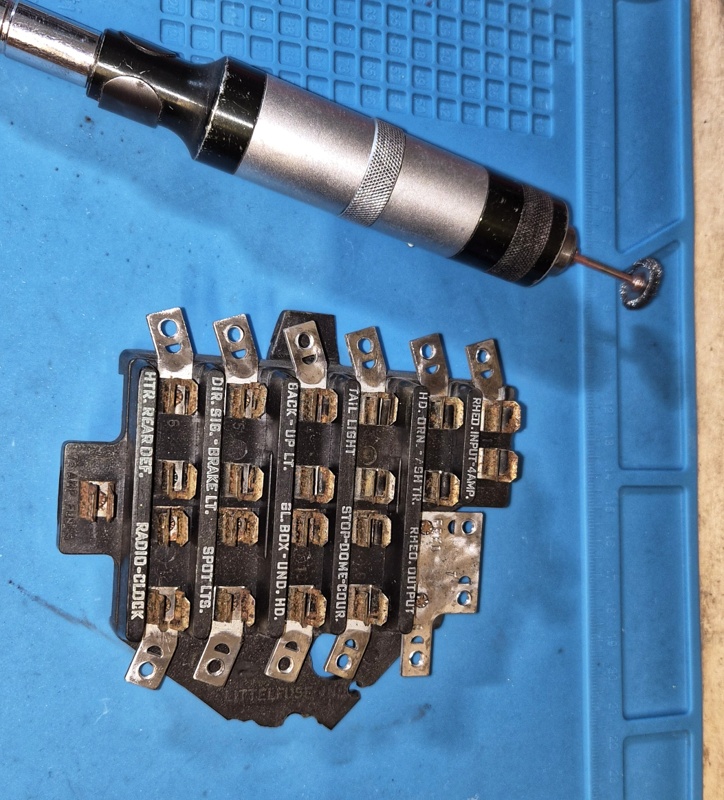 ...and last chemically by using Pelox RE: 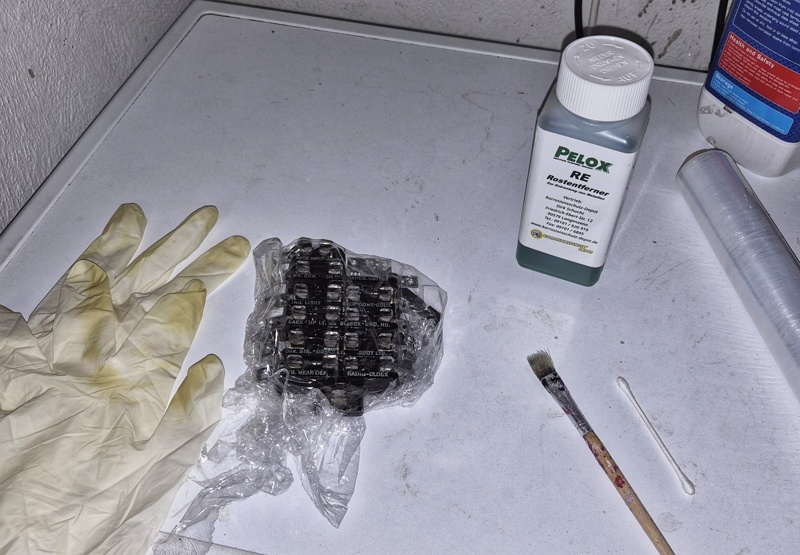 Pelox RE is just phosphoric acid, it etches all the remaining rust particles away and passivizes all metal surfaces. After cleaning it again and drying I replaced all the old fuses by new ones and also all the screws were replaced by new ones of stainless steel: 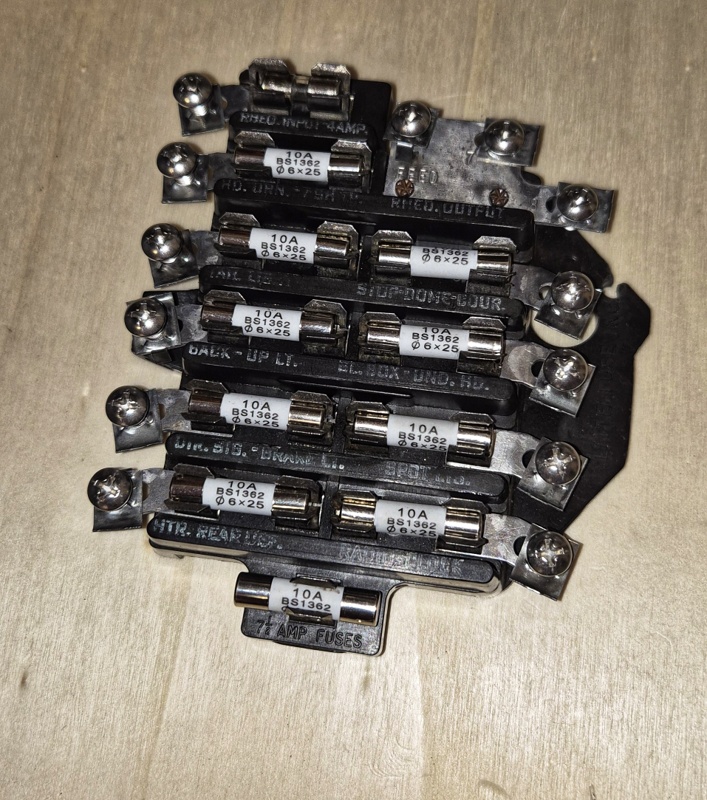 ...I know its 10A fuses and not 7,5 like original, but these are the closest ones you can get here in Germany with this mechanical size. Back in business...: 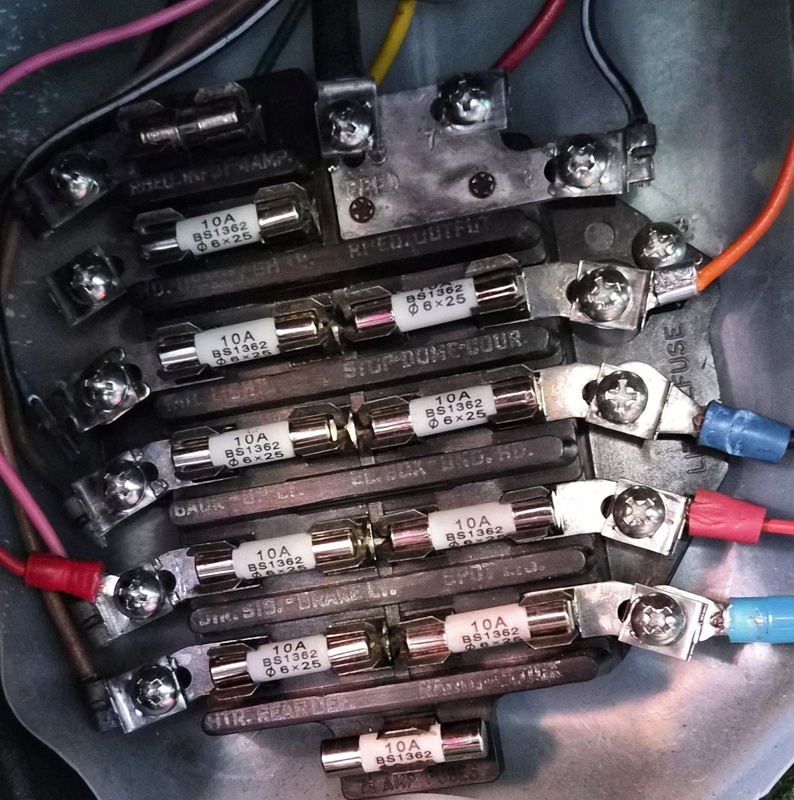 Direction lights now worked 10 times in a row without failing, and no contact is getting hot anymore, wow  More stuff will follow shortly 
|
|
|
The PY Online Forums is the largest online gathering of Pontiac enthusiasts anywhere in the world. Founded in 1991, it was also the first online forum for people to gather and talk about their Pontiacs. Since then, it has become the mecca of Pontiac technical data and knowledge that no other place can surpass.




 Threaded Mode