


| FAQ |
| Members List |
| Social Groups |
| Calendar |
| Search |
| Today's Posts |
|
#81
 12-08-2015, 01:02 AM
|
||||
|
||||

Quote:
Tom, I'm familiar with embedibility, been around since poured babbit bearings. With less than pure lubricants in those day embedibility was needed and still has it's place in certain applications today. I doubt many people today even know what a poured babbit bearing is or how they were scraped to fit the shaft that was to ride on it. I didn't target race engines or hobby cars here, although I feel has better than average oil filtration has a place in either engine. Most of the cars I talked about were 7,500-10,000 + miles per year cars. In a car that is stored more than driven and is in a climate where there is more than 10% humidity would benefit in a filter that can remove condensation from the oil. TP style filters are the only filters i know of that can hold up to 6 ounces of water. Any car that has the pudding deposits on the dipstick has a condensation problem. In this Kleen Oil demo around 1:43 they pour water into the system and soon after it is removed by their filter, same as a Frantz will do up to 6 ounces. No full flow filter will remove water from oil. Another advantage to the by pass system. https://www.youtube.com/watch?v=AaBuV9pOcrU The whole demo is worth watching, but at 1:43 is where they put water in the oil to be filtered out. Mick Batson,member here on PY has a buddy of his that runs I believe it was a BBC in a 10 second car and uses a Frantz oil filter. I'm sure he has his reasons for using it, it surely won't hurt anything. Dirt race cars get dust in the crankcase no matter how well the outside of the engine and intake tract are sealed. No reason a dirt car couldn't benefit from a by pass filter too. I believe that somewhere in your resume you mentioned off road racing. The early VW based off roaders were having durability issues and started using Frantz filters to supplement the VW screen in the sump. It made a huge difference in their durability and solved their oil contamination issues. While we're on the subject of by pass filtering, a few years ago I read in an industry publication that ford was going to implement a by pass filter system on their E series, that never happened. Any inside info if it was ever on their agenda, or just a blurb that meant nothing and should be taken with a grain of salt?
__________________
Brad Yost 1973 T/A (SOLD) 2005 GTO 1984 Grand Prix 100% Pontiacs in my driveway!!! What's in your driveway? If you don't take some of the RACETRACK home with you, Ya got cheated    
Last edited by Sirrotica; 12-08-2015 at 01:37 AM. |
|
#82
12-08-2015, 11:30 AM
|
||||
|
||||
|
Quote:
https://www.regonline.com/builder/site/?eventid=1579191 Ever heard of these guys/ They are the "Official Filter Manufacturer" (reuseable) for the SCORE races. http://gopurepower.com/offroad/ Competitors for the Franz Filter? Tom V.
__________________
"Engineers do stuff for reasons" Tom Vaught Despite small distractions, there are those who will go Forward, Learning, Sharing Knowledge, Doing what they can to help others move forward. |
|
#83
10-28-2016, 08:39 PM
|
|||
|
|||
|
Oil filter and oil for 69 GTO
Guys looking to change filter and oil this weekend and need to know what filter and weight oil most are using. I just read this thread and after spending and hour reading I am totally confused. All I want is a good quality filter that is readily available at your local Napa, advance, type store. Also would you run 10/40 or 10/30 weight. Brand? I know back in the seventies we used GTX oil..This is a recently rebuilt mostly stock street car with a 1969 400 with automatic transmission. Thanks . This thread is crazy. Doug
__________________
1979 Trans Am 307 RWHP 380RWTQ 13.8@103 1979 400 Block, 1970 Heads, Unknown Cam, Comp Cam Lifters, Edelbrock RPM Intake, Hedman Headers, Holley 750 Carb, WFO Drop Base SOLD 1968 GTO convertable project. 400 auto with air. west coast car . Not started in 15 ..update now running (around block spinning tires all the way. Have a lot of cosmetic work to do winter of 17/18 1969 GTO 400 4 Speed this a complete project. Rebuild will start in spring of 2017. SOLD |
|
#84
10-28-2016, 08:53 PM
|
||||
|
||||
|
Napa Gold 1258 and any 10W30 oil with bottle of zinc addative
__________________
Will Rivera '69 Firebird, 400/461, 290 Eddy D-Ports, HR 230/236, 4l80E, 8.5 Rear, 3.55 gears '69 LeMans Vert, XS 350, #47 heads, TH400, 10 Bolt 3.23 gears, work in progress ‘66 Lemans, 455, 310 KRE D-Ports, HR 236/245, TH400, GV OD, 12 bolt 3.73 gears - see it here: https://youtu.be/RP_s1wJKm_Y?si=K0NZxoTyaGcj8Dcb |
|
#85
10-28-2016, 09:57 PM
|
||||
|
||||
|
Quote:
I am no longer actively selling Frantz filters, so other than the fact I have them on my own vehicles, I have no dog in the fight. Just trying to get people to see there is no better way to protect their large investment in their engines than a filter that has the ability to remove 1 micron particulate compared to most all oil filters that can't filter less than 40 microns because they're installed on the pressure side of the pump and have to allow all the internals to be lubricated by sufficient oil, be it clean or dirty oil. Someone would just say if the factory designed filter media had smaller pores it could do the same thing that a by pass filter does. Not true, due to the way the filter is installed on the pressure supply side of the pump in a high demand or restricted media situation, it has to bypass oil through the bypass valve without filtering it. A severely compromised design that many times tries to balance filtering oil with having to open the bypass valve. Making the pores in the media smaller only serves to keep the bypass valve open more. Having the by pass designed oil filter only filtering oil that is not going to internal engine parts lets it filter 100% of the oil that enters it to a exceedingly excellent quality and just return it to the oil pan filtered 40 times better than a conventional oil filter is able to. It extends the oil life many, many times over the recommended 3-5,000 miles. That saves you time and money and extends the engines longevity because the oil doesn't get progressively dirtier the longer it's in the engine. From the minute you start the engine it is always being filtered to the same standard, 1 micron. There is no bypass valve so 100% of the oil is filtered to 1 micron, 100% of the time. It goes in clean and comes out just as clean. Extend oil life, engine life, and save money and time. There is no downside to using a superior oil filter system, I wish I would have switched to one many years ago.
__________________
Brad Yost 1973 T/A (SOLD) 2005 GTO 1984 Grand Prix 100% Pontiacs in my driveway!!! What's in your driveway? If you don't take some of the RACETRACK home with you, Ya got cheated
|
|
#86
10-29-2016, 12:05 AM
|
|||
|
|||
|
thank you
__________________
1979 Trans Am 307 RWHP 380RWTQ 13.8@103 1979 400 Block, 1970 Heads, Unknown Cam, Comp Cam Lifters, Edelbrock RPM Intake, Hedman Headers, Holley 750 Carb, WFO Drop Base SOLD 1968 GTO convertable project. 400 auto with air. west coast car . Not started in 15 ..update now running (around block spinning tires all the way. Have a lot of cosmetic work to do winter of 17/18 1969 GTO 400 4 Speed this a complete project. Rebuild will start in spring of 2017. SOLD |
|
#87
10-29-2016, 12:22 AM
|
||||
|
||||

I am a Wix man also, No trubles at all.
__________________
Cuz68 
|
|
#88
10-29-2016, 02:15 AM
|
||||
|
||||
|
filter ?????????????
i am always at wallter mart, so i buy what they have, Motorcraft fl1a,if its in stock, they sell a lot of these, or a purlater pl30001,one filter fits all 3 of my vehicles ,a 87 5.0 stang,99 ram 5.9 gas,and a 1977 catalina police enforcer 400 4bl.the ram had a really short filter on it when i got it,the longer FL1a goes on no prob, plenty of room.
__________________
CAROLYN JONES(1930-1983 Actress)may she never be forgotten!! |
|
#89
10-29-2016, 02:34 AM
|
|||
|
|||
|
|
#90
10-29-2016, 09:48 AM
|
|||
|
|||
|
Quote:
As far as oil choice goes, you could probably fill up the entire internet with all the opinions as people are certainly passionate about motor oil. For full disclosure, I will tell you my race team is sponsored by Valvolive, so of course we use all their products. There are a few facts that can't be disputed by those who know engine oil. 1. Synthetic oil is superior to mineral based as far as viscosity breakdown and cold pour characteristics. 2. Valvoline and many others are a type 5 synthetic base, the best base stock for engine oil. 3. Castrol and others use type 4 base stock, a less expensive base. 4. ZZDP amounts in typical oils have been reduced because when the engine consumes a little oil, the additives poison the catalytic converters. 5. Older non roller valve train engines will benefit from a small amount of ZZDP additive. 6. Oils designed for high mileage engines, at least the Valvoline lines, have more ZZDP still in the oil than their regular oils. 10W-30 weight is a nice weight for a fresh muscle car engine with street clearances through the engine. 10W-40 is almost obsolete and can be difficult to find now days. 20W-50 is an OK substitute for 10W-40 for warm weather driving where mileage is not a concern. 20W-50 may work well in an older, worn out muscle car engine where bearing clearance is larger and other wear adds up. All these weights are available synthetic and non-synthetic. As a side note, on late model cars where 0W or 5W oild are specified, I strongly recommend staying with those recommendations. A check engine light and codes may be set by running oil that is too thick. Variable cam timing systems and cylinder de-activation systems depend on immediate pressure and flow through the tiny solenoids and passages to operate. |
|
#91
10-29-2016, 10:03 AM
|
||||
|
||||
|
Quote:
Good info here.
__________________
Let's make welfare as hard to get as Veterans benefits! |
|
#92
10-29-2016, 10:21 AM
|
||||
|
||||
|
Quote:
I've worked for two of the main oil additive companies. When I worked for Lubrizol (one of the 4), we would filter the oil additives we made through plate-and-frame filters. These have sheets of paper that fit between the plates and frames. We had different papers that filtered at different micron ratings. Paper is NOT all the same.
__________________
'73 T/A (sold). Low budget stock headed 8.3:1 455, 222/242 116lsa .443/.435 cam. FAST Sportsman EFI, 317rwhp/385rwtq on 87 octane. 13.12 @103.2, 1.91 60'. '67 Firebird [sold], ; 11.27 @ 119.61, 7.167 @ 96.07, with UD 280/280 (108LSA/ 109 ICL)solid cam. [1.537, 7.233 @93.61, 11.46 @ 115.4 w/ old UD 288/296 108 hydraulic cam] Feb '05 HPP, home-ported "16" D-ports, dished pistons (pump gas only), 3.42 gears, 275/60 DR's, 750DP, T2, full exhaust |
|
#93
10-29-2016, 11:09 AM
|
||||
|
||||
|
If your full flow filter is keeping the oil clean, and is doing such a great job, why do you have to keep throwing out oil that is perfectly serviceable?
A filter, and a sieve aren't the same thing. One removes all the suspended solids, the other only removes solids down to it's mechanical limits. Other than it's contaminated with fine particulate materials that cannot be mechanically removed from the oil by a media that can't remove all particulate. Only the larger solids can be removed because if it filtered all the particulate out it couldn't supply an adequate amount of oil to the internal engine parts. It is a inexpensive, compromised design, there are much better alternatives. Do yourself a favor and educate yourself about the much superior by pass filter design advantages over the full flow sieve design. Everyone says they're fine with the cheap, compromised factory flawed sieve design, if you haven't tried a real filter that removes ALL of the particles you really haven't sampled how much better a real filter can extend oil life, as well as engine life. A by pass filter pays for itself in a few years just in the savings of being to extend oil life, the increased engine parts life is a bonus that can't be measured. Or you can keep on doing what your doing with a second rate, cheap, compromised system.
__________________
Brad Yost 1973 T/A (SOLD) 2005 GTO 1984 Grand Prix 100% Pontiacs in my driveway!!! What's in your driveway? If you don't take some of the RACETRACK home with you, Ya got cheated
|
|
#94
10-29-2016, 11:41 AM
|
||||
|
||||
|
Cellulose is an excellent filter media, cellulose is a derivative of wood which is used to make paper. The man made media is fairly new and until recently cellulose media was the best material available.
The longer the fibers the more efficient the cellulose is. It's true that Frantz has used TP as their media and has been for roughly 60 years. I have been using their filters since 2011 and only changed oil in my diesel once in 30,000/5 years miles using the TP media. Laugh if you will about the TP media, I'm the one saving money and extending my engine life exponentially
__________________
Brad Yost 1973 T/A (SOLD) 2005 GTO 1984 Grand Prix 100% Pontiacs in my driveway!!! What's in your driveway? If you don't take some of the RACETRACK home with you, Ya got cheated
|
|
#95
10-29-2016, 11:50 AM
|
||||
|
||||
|
Educate me a bit more, Brad. I've heard rumors that the Frantz is a "toilet paper filter". There were alot of those TP filters around in the '60's, usually used by Rambler owners for some reason. Most of the time the people we knew who used the TP filters went back to the OEM filters because of TP collapse problems, much like Fram filter elements do. And there is such a wide variation in TP "texture" and quality. If the Frantz is a TP filter, the 1960's experiences make me wary of it. Can you elucidate a bit more on this? Thanks!
__________________
"No replacement for displacement!" GTOAA--https://www.gtoaa.org/ |
|
#96
10-29-2016, 12:01 PM
|
||||
|
||||
|
Quote:
__________________
Karl 
|
|
#97
10-29-2016, 12:52 PM
|
||||
|
||||
|
Quote:
The oil comes into the bottom of the canister flows up the center and returns to the bottom through 4 inches of dense media. There is a fine screen under the media. No way to collapse, no way media will move outside of the housing period. Frantz has single ply media they recommend, (Janitorial supply paper, not soft on the butt style) the soft Charmin style IS NOT what works well. The media list price is around $3 retail, so it surely is affordable for anyone. The people that just recently acquired Frantz have their own media that is not TP, it is a manufactured media designed by them. Whether it's any better than than the original TP media I have no idea since I'm not affiliated with the new corporation. Since I have no problems with the old media, I'll keep using the older design TP. There is plenty of information on the web about Frantz filters, even Youtube videos on how to change the media, just google Frantz filters. At one time there were numerous TP filters available, Frantz is still around so they must be doing something correctly. There are also filters that use paper towel rolls for the media that are used on larger engines so the idea is quite sound. It is still cleaning oil as a filter should do, not merely running engine oil through a sieve removing only the big stuff. No down side to filtering oil to a very high standard, I really wish I would have further investigated the Frantz filter the first time I saw one demoed in the early 70s. I would have saved money, as well as had less engine carnage over the years.
__________________
Brad Yost 1973 T/A (SOLD) 2005 GTO 1984 Grand Prix 100% Pontiacs in my driveway!!! What's in your driveway? If you don't take some of the RACETRACK home with you, Ya got cheated
|
|
#98
10-29-2016, 01:08 PM
|
||||
|
||||
|
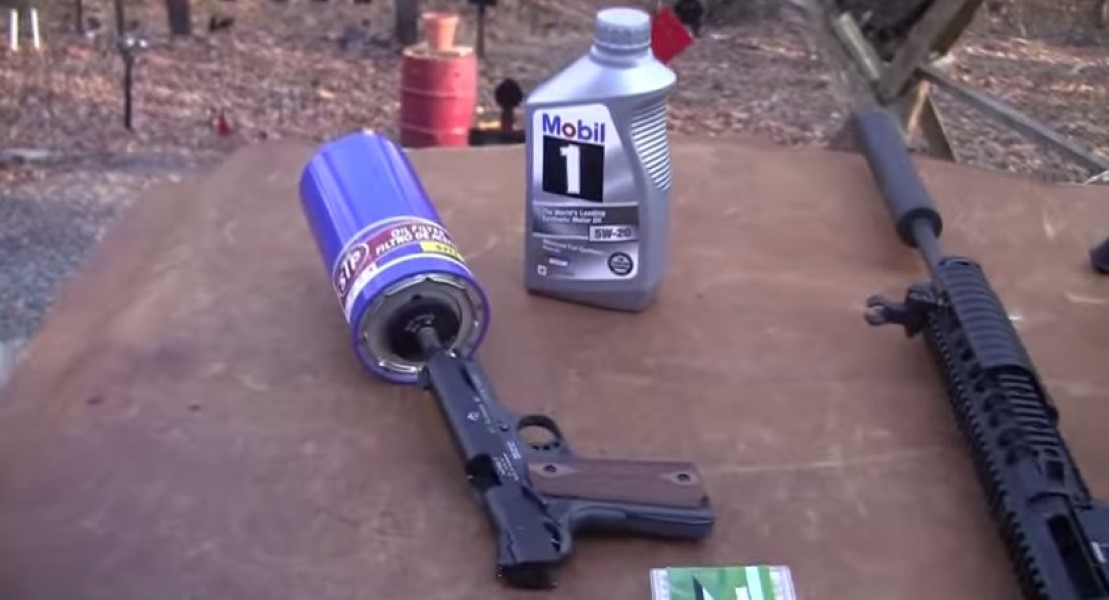
Fram Filters are said to be the best for silencer applications. Economy pricing and light weight construction.
Quote:
__________________
Bull Nose Formula-461, 6x-4, Q-jet, HEI, TH400, 8.5 3.08, superslowjunk |
| Reply |
|
|
The PY Online Forums is the largest online gathering of Pontiac enthusiasts anywhere in the world. Founded in 1991, it was also the first online forum for people to gather and talk about their Pontiacs. Since then, it has become the mecca of Pontiac technical data and knowledge that no other place can surpass.




 Linear Mode

